
About Us
- About
The Alluvium Project
The Alluvium Project is built on the principle that waste can become a resource through the power of the Circular Economy. By partnering with RiverRecycle, we are transforming low-value plastics recovered from rivers and coastal regions into durable building materials that can support sustainable community development throughout Mexico.
RiverRecycle’s model focuses on intercepting plastic waste before it reaches the ocean, while creating local jobs and recycling systems that turn discarded plastics into useful products such as recycled boards and construction materials.
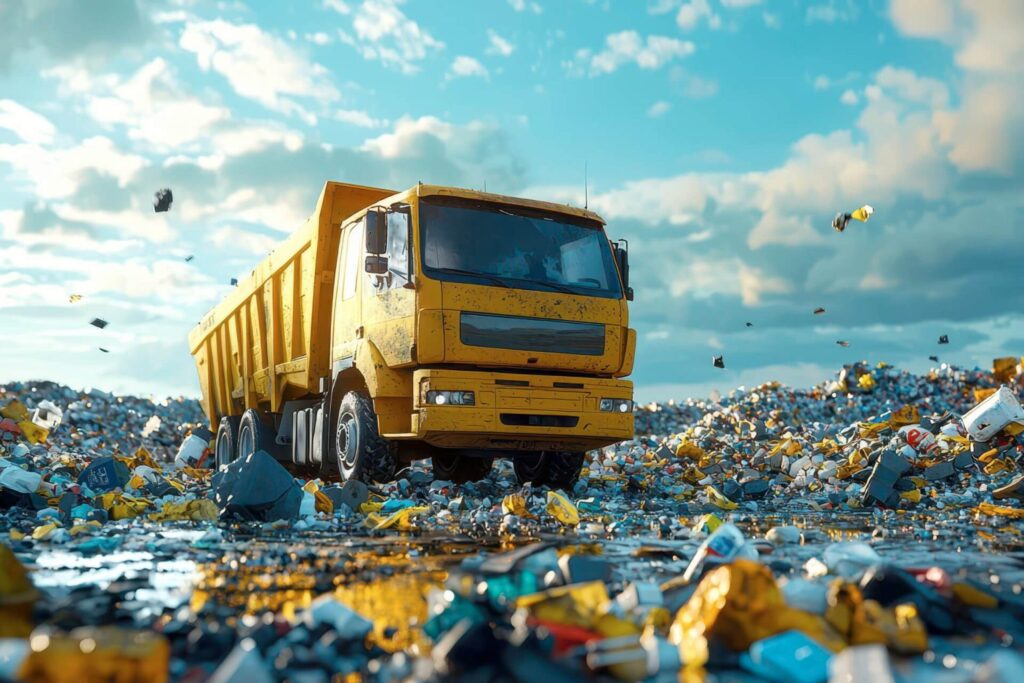
The Circular Economy in Action
The Alluvium Project demonstrates how environmental restoration, community development, and economic opportunity can work together in a continuous regenerative cycle:
- Rivers and coastal areas are cleaned of plastic waste.
- Collected plastics are processed into durable recycled boards.
- These materials are used to build infrastructure for underserved communities.
- Local residents gain employment, education, and cleaner living environments.
- Sustainable systems reduce future pollution and strengthen local economies.
This creates a model where “waste” becomes a valuable community asset instead of an environmental burden.
Key Alluvium Project Initiatives
Solar-Powered Desalination Ice Maker & Water Purification System
Near La Paz, Mexico, the Alluvium Project plans to support fishing villages by constructing a solar-powered desalination and ice-making facility using recycled plastic building materials. The project will provide:
- Clean drinking water
- Ice production for fish preservation
- Reduced dependence on diesel-powered systems
- Improved economic resilience for fishing families
Recycled boards created from recovered plastics will be used for structural elements, storage systems, and modular infrastructure.
Monarch Butterfly Reforestation & Tree Nursery
In partnership with the Rotary Club of Monarcha and organizations working to restore monarch habitats, the project will develop tree nurseries to support reforestation efforts around the Monarch Butterfly Biosphere Reserve in Mexico.
The nurseries will focus on:
- Native tree propagation
- Habitat restoration
- Pollinator education
- Community stewardship programs
- Support for the monarch butterfly migration ecosystem
Rotary-led conservation initiatives have already helped fund the planting of tens of thousands of trees in monarch sanctuaries across Michoacán.
Recycled Plastic Community Infrastructure
Modular Recycling Bins
The project will manufacture modular recycling bins from recycled plastics collected through river cleanup operations. These systems can be:
- Shipped efficiently to rural communities
- Easily assembled onsite
- Used for education and waste separation programs
- Integrated into schools, fishing villages, and public gathering spaces
These bins reinforce the concept that communities can participate directly in a circular economy while reducing river and ocean pollution.
Affordable Eco-Housing Near Restored Rivers
A future phase of the Alluvium Project includes developing affordable eco-housing near restored waterways and cleanup corridors. Recycled plastic boards can be used for:
- Wall systems
- Flooring
- Outdoor structures
- Community sanitation facilities
- Flood-resistant modular housing
The goal is to create healthy, affordable, and climate-resilient housing that demonstrates how recycled materials can support dignified living conditions while protecting ecosystems.
By combining river restoration, recycled materials, renewable energy, affordable housing, and habitat conservation, the Alluvium Project creates a scalable model for sustainable development that can be replicated throughout Mexico and other regions facing environmental and economic challenges.
The project aligns with Rotary’s commitment to environmental sustainability, economic development, community health, and international collaboration while showcasing how circular economy principles can directly improve lives and restore natural ecosystems.